1Two products, one name
| Instrument autoclave bags (sterilization pouches) | Autoclavable biohazard waste bags | |
|---|---|---|
| Purpose | Sterilize items and keep them sterile | Decontaminate infectious waste |
| Material | Medical paper + PET/CPP film; or gusseted reels | Polypropylene, 50–100 µm |
| Barrier | Microbial barrier after sterilization | None |
| Closure | Self-seal strip or heat seal | Loosely tied, often with added water |
| Standards | ISO 11607, EN 868-5 | Lab biosafety guidance |
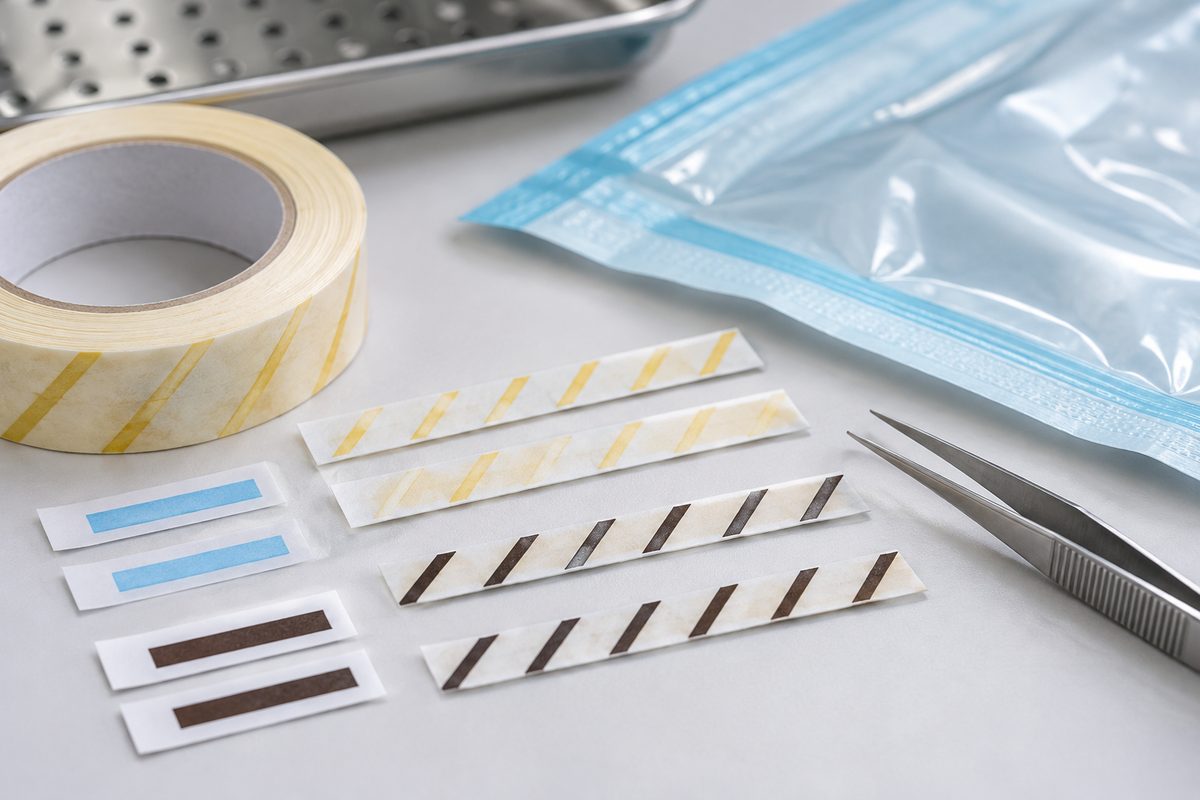
| Indicators | Printed steam/EO indicators | Indicator patch or autoclave tape |
2Instrument autoclave packs and pouches
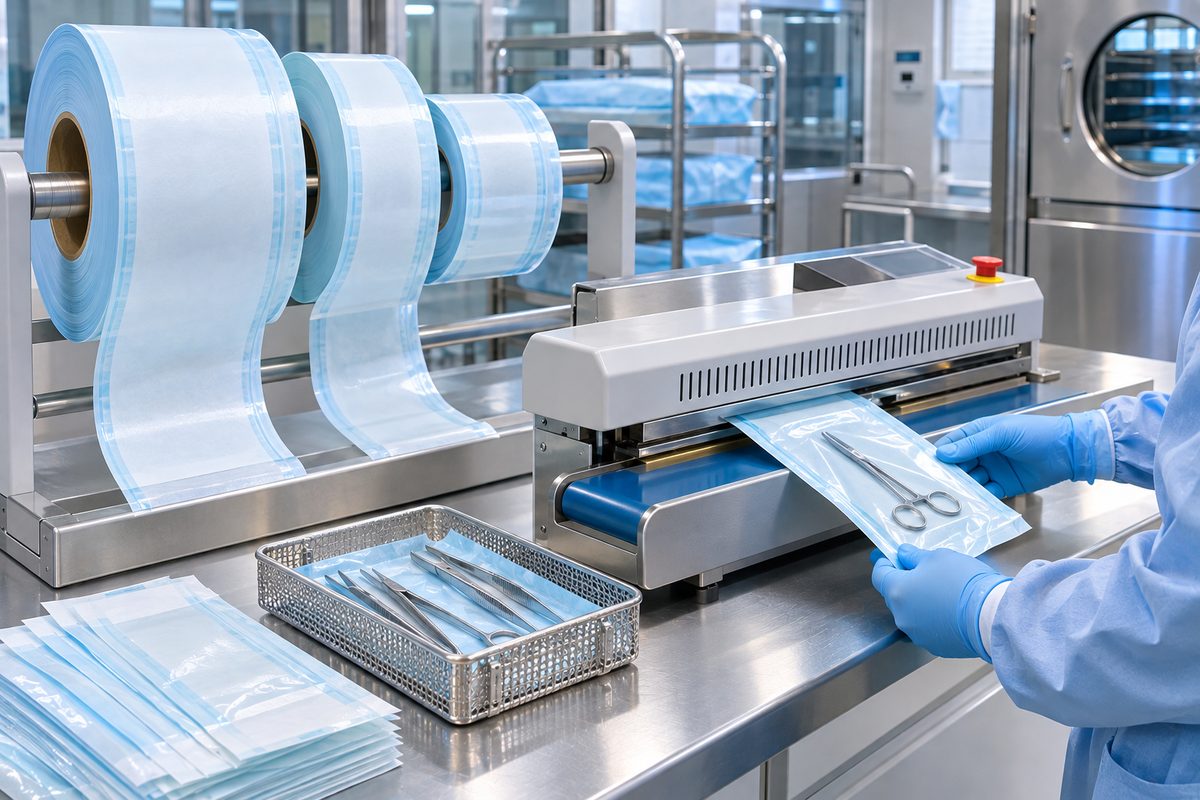
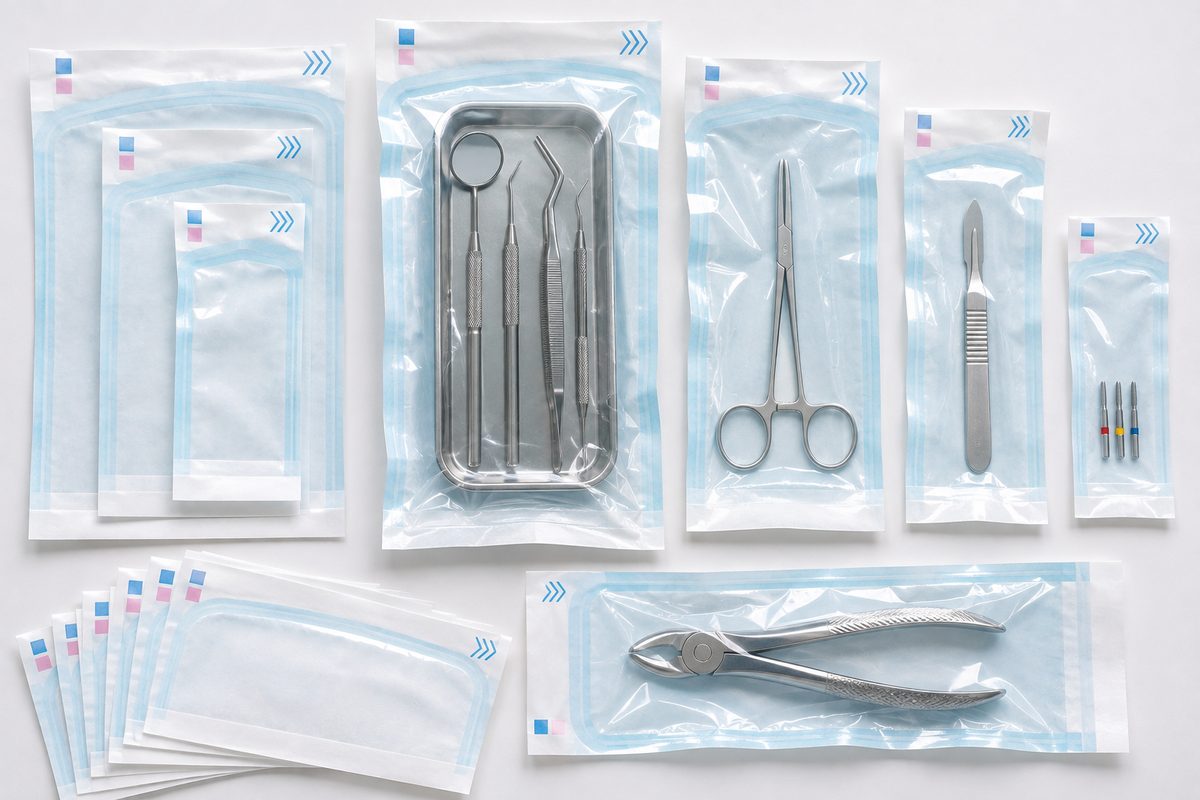
For instruments and sets use sterilization pouches, flat reels or gusseted reels for bulky packs. These are the "autoclave packs" CSSDs and dental clinics use.
3Biohazard waste bags in the lab
Labs autoclave cultures, plates and disposables in clear or red/orange PP bags placed in a secondary container. The bag is left partly open so steam can enter, a little water is added, and a longer cycle (often 121 °C for 60 minutes or more, validated by load) is used. Close with autoclave tape to show the bag was processed.
4Buying the right product
If your order is for instruments, specify "sterilization pouch/reel, paper/film, EN 868-5". If it is for waste, specify "autoclavable biohazard bag, polypropylene, thickness and size". Kangde Med manufactures the instrument category — pouches and reels with OEM printing — for distributors and healthcare facilities.
5Frequently asked questions
Can I sterilize instruments in an autoclavable biohazard bag?
No. Waste bags are not a microbial barrier, are not designed to be sealed for sterility and will not keep instruments sterile.
What are autoclave bags made of?
Instrument autoclave bags are made of medical-grade paper and laminated film; waste autoclave bags are usually polypropylene.
Should biohazard waste bags be closed in the autoclave?
They should be loosely closed or left partly open so steam can penetrate the contents.