1Comparison
| Interdental brush | Dental floss | |
|---|---|---|
| Plaque removal in open gaps | Higher | Lower |
| Tight contacts | Cannot enter | Effective |
| Ease of use | Easier | Technique-sensitive |
| Braces, bridges, implants | Very good | Needs threaders |
| Cost per use | Higher | Lower |
| Gum bleeding reduction | Strong evidence | Moderate evidence |
2What the evidence says
Cochrane and other systematic reviews report that interdental brushes reduce gingivitis more than floss when the brush fits the space. Evidence for floss alone is weaker, largely because of inconsistent technique — floss works when used properly and daily.
3Which should you use?
- Tight teeth, young healthy gums → floss or floss picks.
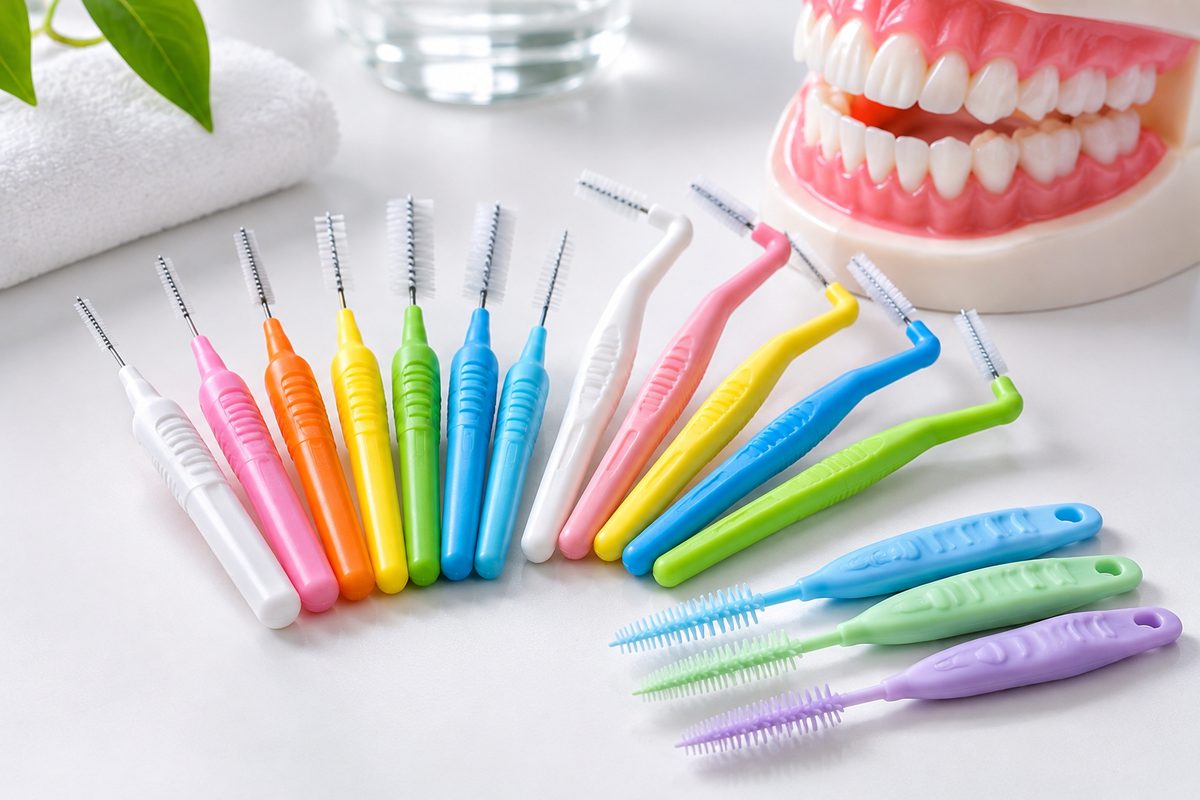
- Visible gaps, gum recession, braces, implants, bridges → interdental brushes.
- Mixed mouth → brushes where they fit, floss elsewhere.
4How to combine them
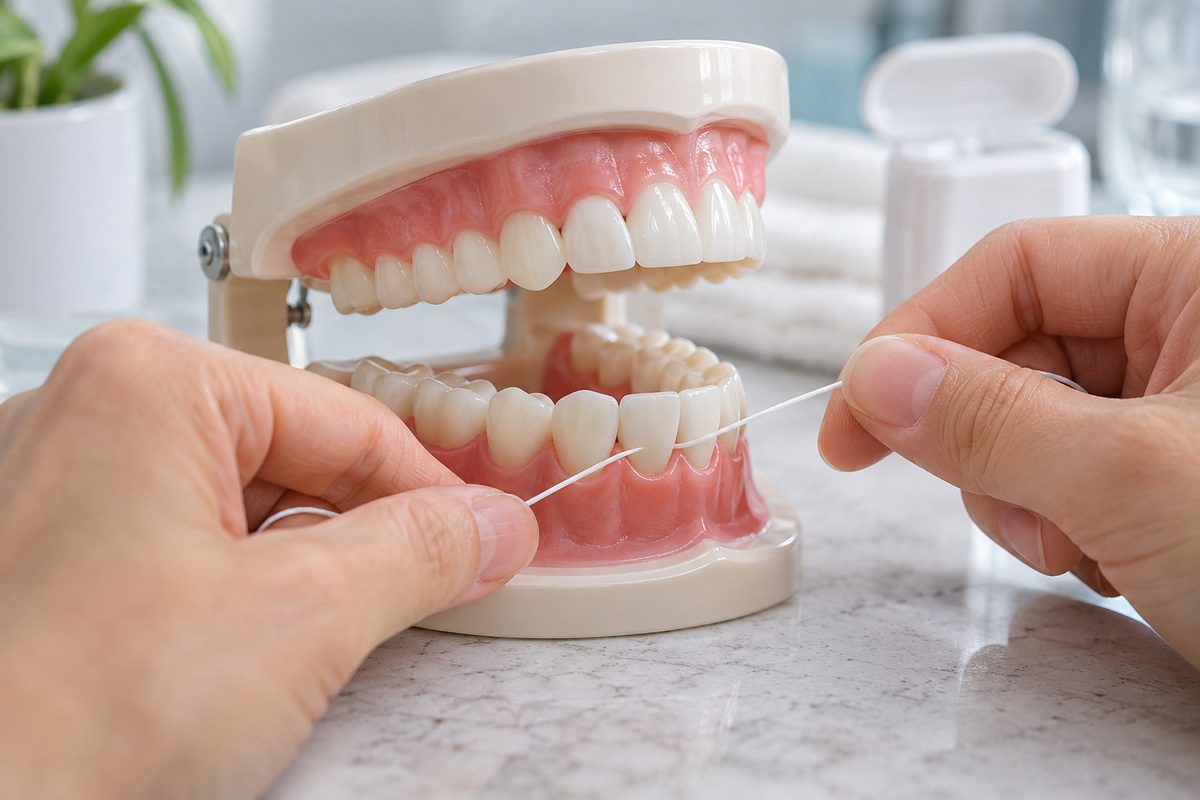
Floss first in tight contacts, then brush larger gaps, then brush teeth with fluoride toothpaste. Many hygienists provide a personalised map of which tool to use where.
5For clinics and brands
Offering both — interdental brushes in multiple sizes and dental floss — covers every patient. Kangde Med produces both for private label. Read the full interdental brushes guide and how to floss properly.
6Frequently asked questions
Are interdental brushes as good as floss?
Where they fit, interdental brushes generally remove more plaque than floss. In tight contacts floss is still needed.
Can I use interdental brushes instead of flossing?
Yes, if every gap admits a brush. Otherwise use floss for the tight spots.
Do dentists prefer interdental brushes?
Many dental professionals recommend them for patients with open spaces, braces or implants because they are easy and effective.