1Head-to-head
| Water flosser | String floss | |
|---|---|---|
| Mechanism | Pulsating water jet | Mechanical scraping |
| Plaque removal | Good, varies by study | Good when technique is correct |
| Gum bleeding | Strong results | Moderate |
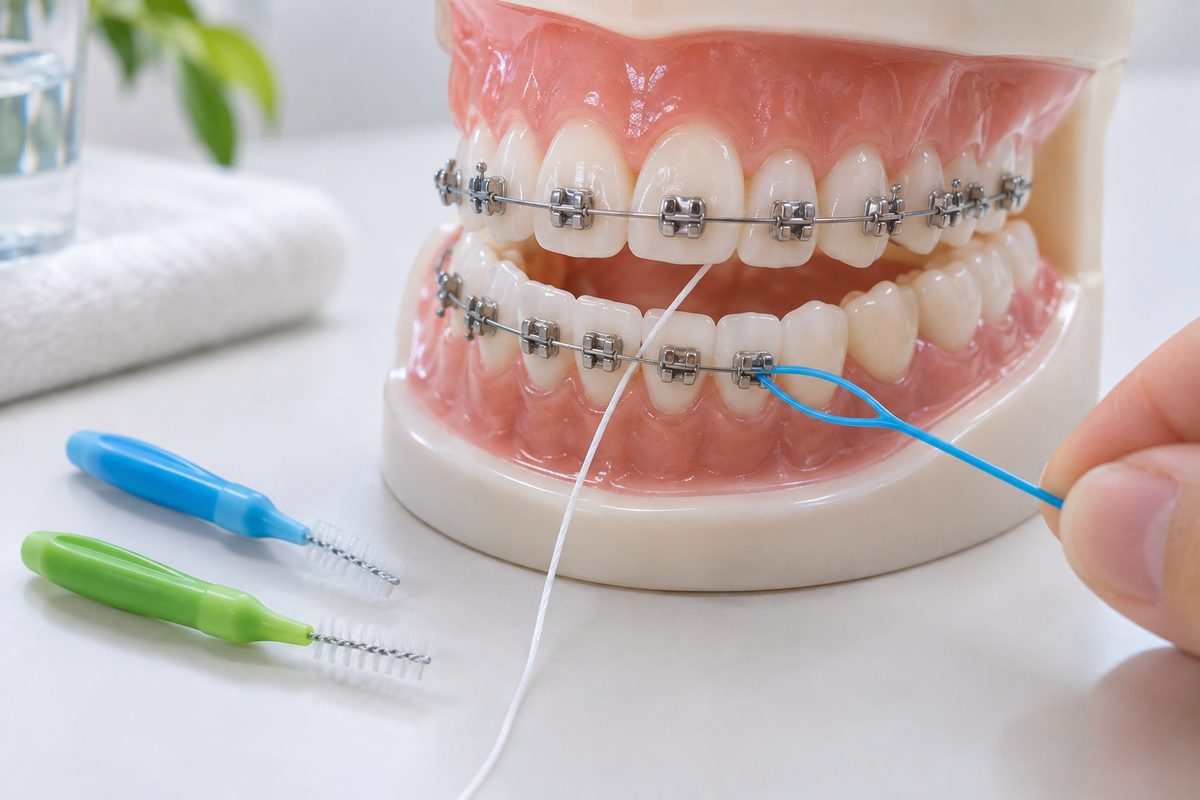
| Braces/implants | Very easy | Needs threaders |
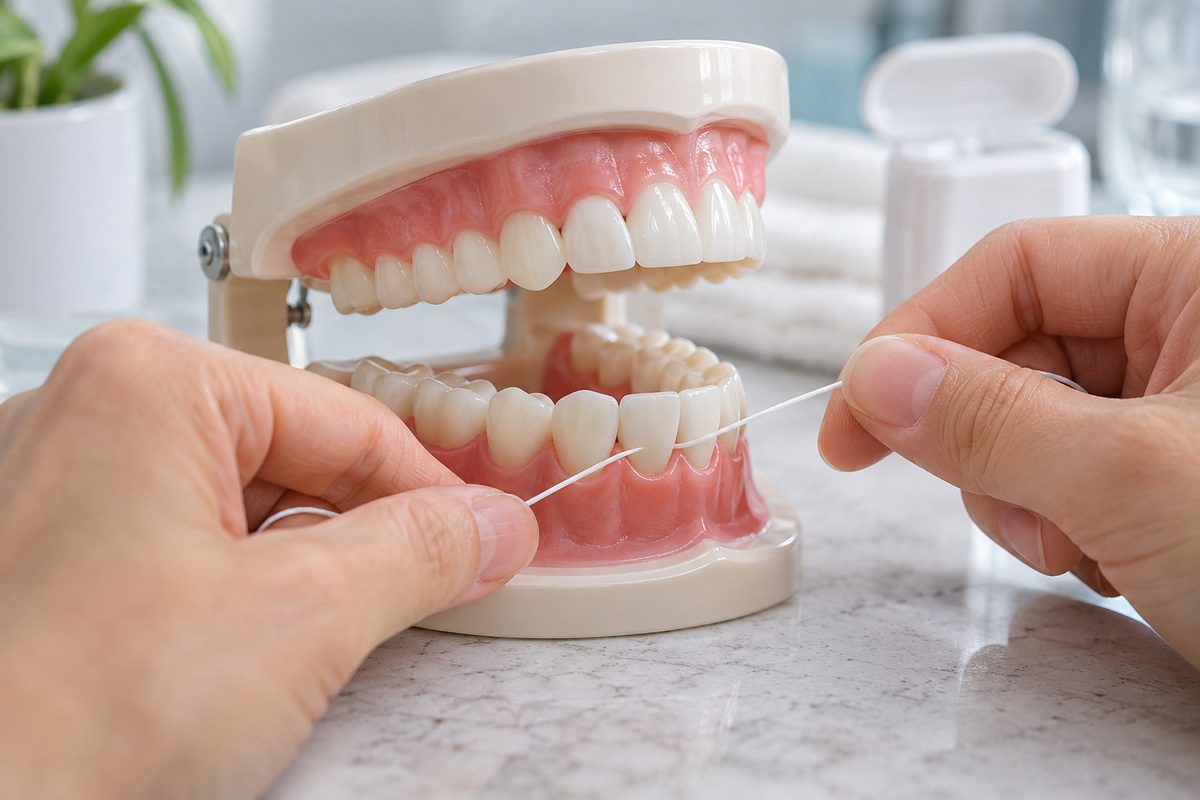
| Tight contacts | Limited | Effective |
| Cost | Device + power + tips | Low |
| Portability | Lower (cordless models help) | High |
2Is water flossing effective?
Yes, for reducing gingival bleeding and inflammation, and for cleaning around orthodontic appliances. Some studies show greater bleeding reduction than string floss over 4 weeks.
3Do water flossers remove hard plaque?
No. Soft plaque can be disrupted, but hardened tartar (calculus) needs professional scaling.
4Before or after brushing?
Use a water flosser — like floss — before brushing, so toothpaste fluoride can reach the cleaned surfaces. See floss before or after brushing.
5Which should you choose?
- Will not use string floss consistently → water flosser or floss picks.
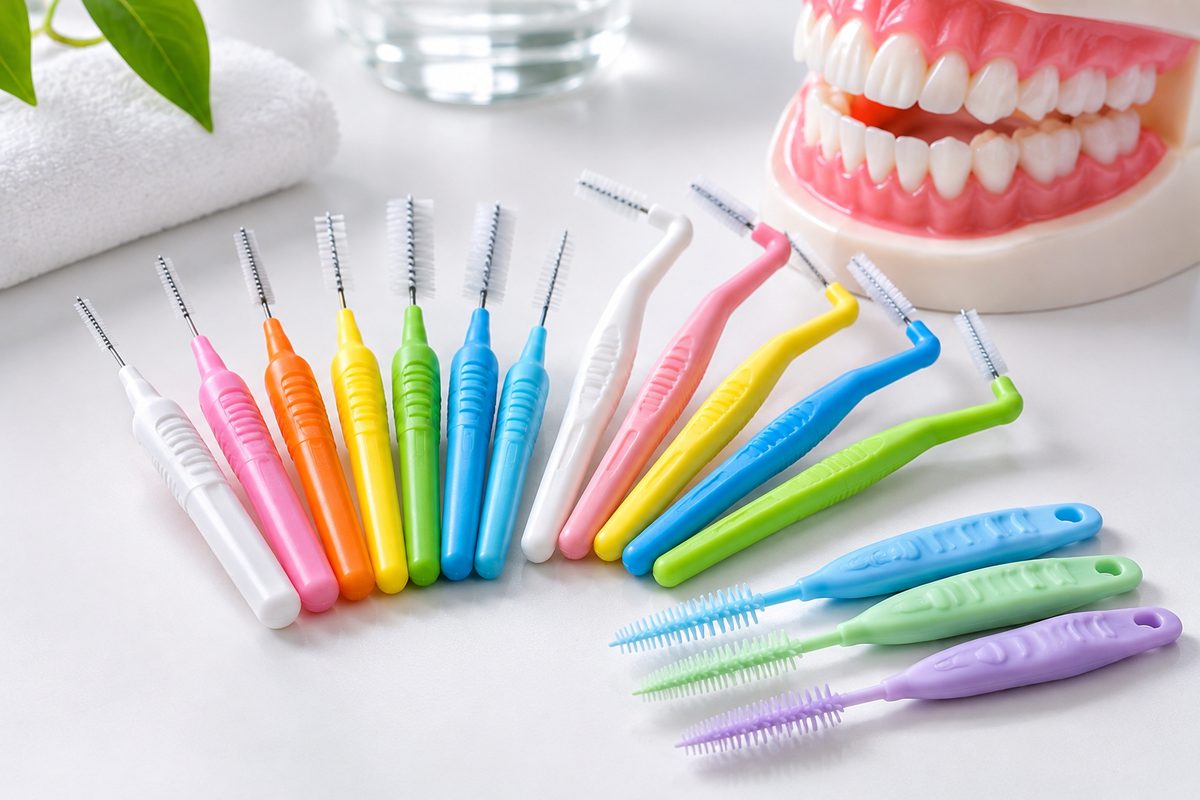
- Braces, implants, bridges → water flosser plus interdental brushes.
- Tight contacts → string floss.
6For retailers and clinics
Interdental cleaning is a growing aisle: floss, picks, interdental brushes and water flossers serve different users. Kangde Med manufactures the manual categories — floss, floss sticks and interdental brushes — for private label.
7Frequently asked questions
Can a water flosser replace string floss?
For many people it is an acceptable alternative, especially with braces or implants; for tight contacts string floss or interdental brushes still clean better.
Do dentists recommend water flossers?
Many do, particularly for patients with orthodontic appliances, implants or gum inflammation, or for people who struggle with floss.
Should I use a water flosser before or after brushing?
Before brushing is generally recommended.